
UNLV Study: Aerobic Exercise Key to Slowing Parkinson’s Progression
By TheNevadaGlobeStaff, April 30, 2026 1:35 pm
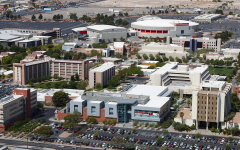
LAS VEGAS, NV — Researchers at the UNLV School of Integrated Health Sciences released findings yesterday, April 30, confirming that regular aerobic exercise is one of the most effective non-pharmacological treatments to slow the progression of Parkinson’s disease.
The Science of “Brain Fertilizer”
-
Inflammation Reduction: The study, led by interim dean and physical therapist Merrill Landers, suggests that aerobic activity directly reduces the brain inflammation at the root of the disease.
-
The BDNF Factor: Exercise triggers an increase in brain-derived neurotrophic factor (BDNF), a protein Landers describes as “fertilizer for the brain” because it promotes the growth and survival of neurons.
-
Anti-Inflammatory Signals: BDNF also signals muscles and tissues to release anti-inflammatory markers throughout the body during activity.
Finding the “Sweet Spot”
To maximize these neuroprotective benefits, researchers recommend a specific intensity for Parkinson’s patients:
-
Intensity Zone: Optimal BDNF production occurs at 60%–75% of maximum heart rate—an intensity where the patient can speak in short sentences but not easily hold a full conversation.
-
Sustainable Modalities: Recommended activities include treadmill walking, cycling, and dancing, provided they are sustained long enough to trigger the protein boost.
-
Comprehensive Care: Experts noted that while aerobic exercise is a “core component,” it should be part of a well-rounded regimen including strength and balance training.
Source: UNLV News Center.
© 2026 Nevada Globe. All Rights Reserved.


- TAX TRAIL: Benitez-Thompson’s Rural Nevada Bid Revives Votes for Payroll, Business and Mining Taxes - October 16, 2026
- Victim Shot and Killed Resisting Three Suspects in Midday Commercial Robbery on East Flamingo Road - October 16, 2026
- MOST WANTED MERCY: Ford Backed Clemency for Las Vegas ‘Thrill Killer’ Who Landed on FBI’s Top 10 List - October 16, 2026
RELATED ARTICLES
-
 December 8, 2022
 -
March 11, 2024
-
December 8, 2023