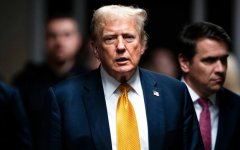
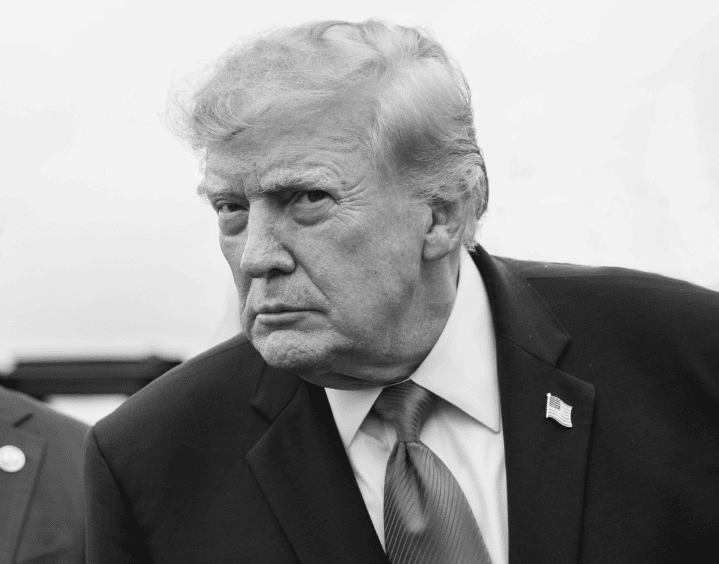
WASHINGTON, D.C. — President Donald Trump is taking his “America First” economic agenda out to sea.
By TheNevadaGlobeStaff, October 24, 2026 11:37 am
The White House on Friday unveiled its new America First Seafood Strategy, launching Seafood.gov, proposing a new “U.S. Caught Seafood” label and making more than $5 billion in guaranteed loans available to expand American meat and seafood processing capacity.
The administration says the plan is designed to put American fishermen, processors and coastal communities in a stronger position against foreign seafood producers while rebuilding domestic supply chains.
And America imports plenty of fish.
NOAA estimates that roughly 80 percent of the seafood Americans consumed in 2023 came from foreign imports. That year, the United States imported 6.3 billion pounds of edible seafood products while exporting 2.5 billion pounds.
The Trump administration wants to start changing that equation.
Under the strategy, federal agencies will work to increase domestic seafood production, streamline permitting for docks, cold storage, processing plants and other waterfront infrastructure, and make it easier for fishing businesses to invest in new equipment and American-built vessels.
The Food and Drug Administration is also proposing a voluntary “U.S. Caught Seafood” designation designed to make it easier for shoppers, restaurants and distributors to identify seafood harvested by American fishermen aboard U.S.-flagged vessels.
The government plans to launch a nationwide “Eat American Seafood” campaign and increase opportunities for domestically caught and processed seafood in federal procurement programs.
Seafood.gov will serve as the administration’s new central hub for consumers and industry, providing information about federal seafood programs, American products and the health and nutritional benefits of seafood.
Another major target is illegal and mislabeled foreign seafood.
The administration says American fishermen face competition from products harvested through illegal, unreported and unregulated fishing, as well as foreign producers operating under weaker labor, environmental and safety standards. The strategy calls for stronger enforcement of the Seafood Import Monitoring Program, increased inspections of high-risk imports and greater efforts to combat species substitution and seafood fraud.
NOAA says the United States is one of the world’s largest destinations for seafood harvested abroad and estimates more than 80 percent of seafood consumed annually in the country is imported, making enforcement of illegal fishing rules a significant part of the domestic industry’s competitive landscape.
The new strategy builds on an April 2025 executive order directing federal agencies to restore American seafood competitiveness through regulatory changes, increased production, expanded exports and action against unfair foreign trade practices. Trump has since issued proclamations reopening commercial fishing access in portions of marine national monuments, while USDA created a dedicated Office of Seafood earlier this year.
NOAA says the broader strategy will operate largely through existing federal authorities and programs rather than creating a new spending initiative, with success measured through domestic production, processing capacity, private investment and American jobs.
For a country that catches some of the world’s most recognizable seafood but imports most of what ultimately lands on American plates, Trump’s message is straightforward: catch it here, process it here, and make it easier for Americans to know when they are buying it.
Speak Up, Nevada! What’s on Your Mind? Send us your opinion!
Got the inside scoop on something happening in Nevada? Or the country? Do you have thoughts about life in Nevada that are too good to keep to yourself? Whether it’s a hot take on our politics, crime, education, or even the secret to surviving our summers, we’re all ears! Swing them our way at editor@thenevadaglobe.com. Come on, give us the scoop on what makes Nevada tick—or what ticks you off. Let’s make some noise and have some fun with it!

- WASHINGTON, D.C. — President Donald Trump is taking his “America First” economic agenda out to sea. - October 24, 2026
- Harry Reid International Airport Breaks Ground on New $40M Airfield Fire Station 13 - October 24, 2026
- Horowitz Family Gifts Record $150 Million to Anchor $1 Billion Children’s Hospital in Southwest Las Vegas - October 23, 2026
RELATED ARTICLES
-

-
June 10, 2024
-
January 18, 2024